
Bonfire Notes: Everything My Saalugudda Guide Told Me About the Trails Nobody Talks About
The Backyard, Explained
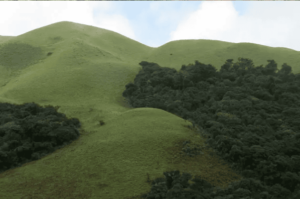
Before any of the trail stories, my tour guide pulled up a mental map for me. Saalugudda, he said, is named after the range it sits in, and that range doesn't sit alone, it's boxed in by Rottikallu, Jenukallu, Agani, Haalkola, and Sishila betta, close enough that most of them are walkable straight from the property or a short drive away. Beyond that immediate circle, the wider Sakleshpur belt has its own scattering of smaller peaks, temple hills, and waterfall trails, ones that never make it onto a typical two-day-trip itinerary because nobody outside the area really talks about them.
Some of what he described sounded almost lazy, gentle coffee-estate inclines that a first-timer could handle without much fuss. Other trails he described the way you'd describe an old rival, respectfully, carefully, like they'd have his number if he got sloppy. Distances vary a fair bit too, from a walk you could start right after breakfast to close to an hour's drive, so if you're building a day around one of these, it's worth confirming exact timings with the resort first.What He Told Me, Trail by Trail
Jenukallu Betta came up first. Highest point in Hassan district, he said, somewhere around 4,530 feet, and one of the ranges right on Saalugudda's doorstep. You start near the Sri Bettada Bhairaveshwara Temple close to Mekanagadde, and from there it's a full day, dense forest, real elevation, and streams that run harder here than almost anywhere nearby because this pocket of the Ghats gets hit with some of the heaviest rainfall in the district. He wasn't shy about calling it one of the tougher climbs on his own list, the kind you do in winter, October through February, when the ground actually holds, and definitely not without someone who's done it before. Ankle-support shoes, more water than feels reasonable, that was his exact advice, twice.
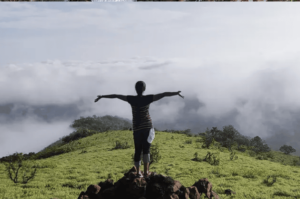 Then he got quieter, almost like he was telling me something he shouldn't, talking about Sishila Betta. It's one of Saalugudda's own neighbouring ranges, and it barely exists anywhere online, no trekking app, no blog post, nothing. That's not an oversight, he said, that's just how it's stayed this quiet. Thick, untouched forest, a kind of silence you don't get on the trails people have actually heard of, and whatever's blooming or flowing changes by the week, which he'd know before any website would. It's a moderate half-day trail, best between October and February, and because there's no map for it in any real sense, going without a guide isn't really an option here. The guides are the entire reason the trail is reachable at all.
Agani got a shorter mention, but an interesting one. Third of the close-by ranges, occasionally namedropped on trekker forums as one of the area's under-the-radar spots, though he laughed a little at how thin the actual information about it is anywhere. Classic Malnad scenery, forested slopes, edges brushing against coffee estates, and from certain points, views back at the very ranges surrounding Saalugudda. A morning or afternoon commitment, moderate effort, winter for firm footing. Same non-negotiables as Sishila: a guide, water, sturdy and stable shoes, and don't expect your phone to do anything useful up there.
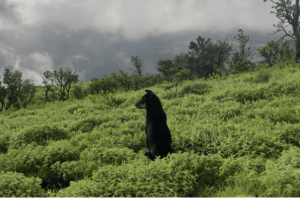
He brightened up telling me about Pandavar Gudda, mostly for the story attached to it. Local legend has the Pandavas sheltering here during their exile, hence the name, and the trail itself is short, about 4km, through wild shrubs before it opens onto a hilltop with a clean, uninterrupted view of the Ghats. He said people underestimate this one because it's not physically demanding, but it's one of the best spots to just sit and soak up the silence for a while. Moderate, half a day, fine most of the year outside heavy monsoon. Water, sun protection, decent shoes, nothing more dramatic than that.
Bettada Byraveshwara Temple Trek was the one he recommended for literally anyone. About 3km, well-marked, running through coffee plantations and forest up to a hilltop temple dedicated to Lord Shiva. Calm rather than strenuous, and the temple gives you a proper reason to pause once you're up there. A couple of hours round trip, beginner-friendly, pleasant most of the year, especially winter mornings.
Comfortable shoes and water, that's genuinely the whole packing list, which is why he called it the trail he sends first-timers on.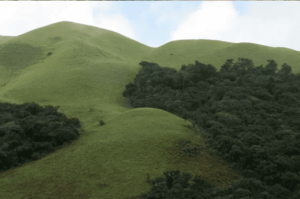
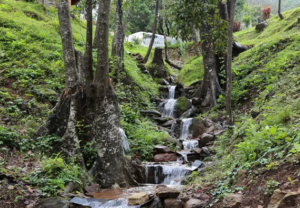
Second last was Magajahalli Waterfalls, also known locally as Abbi Falls, and our guide calls it the reward trail. Short, about 2km, cutting through coffee plantations and forest before opening up to the falls themselves. Best right after monsoon, October or November, when the water's still running strong but the trail has dried out enough to actually enjoy. Easy, an hour or two, good for lingering with a picnic if you're not in a rush. Grippy shoes near the rocks, a change of clothes if you're getting in, water and sun protection like always.
Amedikallu he saved for the end, the way you'd save the best story for last. Locally called Tortoise Rock for the shape of the summit, and genuinely overlooked mostly because of the distance - 14km - which scares off anyone not planning a full day around it. Steep, forested, and the view at the top apparently makes people forget how far they'd just walked, his words, not mine. Full-day, advanced only, winter for safer footing, start early, carry a full day's food and water, and go with people who are actually fit for it and a guide who knows exactly where it gets tricky.
What He'd Say If You Asked Him to Pick One
If you're new to this, or bringing someone who is, start with the temple trail or the waterfall, both short and forgiving. Got some fitness and want a real few hours of effort without training for it, Pandavar Gudda, Sishila Betta, or Agani sit right in that zone. If you’re chasing a proper full-day challenge, Jenukallu Betta or Amedikallu are where the serious trekkers on this list go, ideally once you've already got a trail or two behind you on this trip.
His one honest piece of advice, more than once, was to not overreach on day one. If you're not doing much physical activity day to day normally, start easy and build up, there's no prize for suffering through a trek on a trip that's supposed to be relaxing. And weather, he said, matters more than people plan for. Winter, October to February, is reliable across almost everything on this list, dry ground, clear skies. Monsoon turns the tougher climbs genuinely risky, slippery rock, swollen streams and leeches, so if you're going during the rains anyway, stick to the short, well-marked trails.
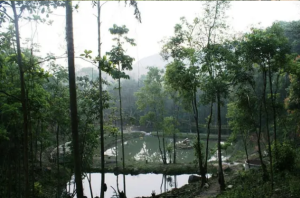
What He Told Me to Pack
This is where he got specific, like he'd given this speech a hundred times before. Closed, sturdy shoes with real grip, not sandals, not the sneakers you wear everywhere else. Quick-dry clothing over cotton, because you'll sweat regardless of season and probably get slightly rained on too. A light rain jacket that stays in your bag even in winter, since the weather up here changes its mind without warning. A walking stick for the steeper climbs, a cap, sunglasses, and a backpack that won't wreck your shoulders three hours in, all fairly standard trekking accessories.
More water than feels necessary, always, as dehydration creeps up on inclines like these. A few energy bars or dry snacks for the longer days. And basic first aid, plasters, antiseptic, any personal medication in every single bag, since the nearest hospital is a real distance from here.
For the lesser-known trails specifically, he was firm that going with a Saalugudda guide isn't a nice-to-have, it's the only reason those trails are usable at all. They walk these routes constantly, know exactly where a rope or a steadying hand is needed, and honestly seemed a little proud of that fact.
Fitting a Trek Into Your Stay
For an early start, and most of the harder trails deserve one, either the Lakefront or Duplex cottages work fine, just mention to the staff the night before that you want something quick to eat before heading out, so you're not waiting around post-sunrise for a full breakfast spread. Pack your bag the night before too, fumbling around at 5am in the dark isn't fun for anyone.
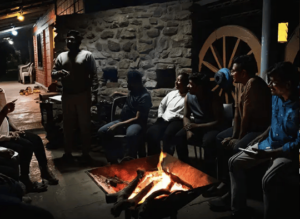
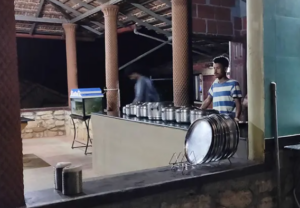 Coming back from a longer trek, the property takes care of the rest without you having to think about it, a lakeside sit-out for tired legs, a bonfire in the evening to talk about the day and share trek tips and highlights (thanks to which this blog was possible) , and a delicious meal waiting to reward you when you're done. Save the shorter trails for the days you still want energy left over for the evening, and keep the full-day ones for whenever your next morning is a slow one.
Before You Book
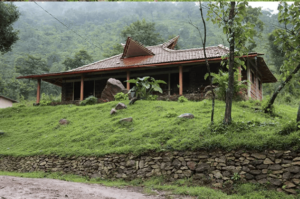
Every stay at Saalugudda already comes with a scenic trek built into the package, along with meals and a bonfire evening, so fitting one of these in doesn't mean a separate booking. If you've got your eye on one of the tougher or lesser-known trails specifically, say so when you book, so the team can sort the right guide and timing for it. Worth checking directly with Saalugudda for current seasonal offers or package details too, since those shift through the year. Head to saalugudda.com/tariff or reach out at saaluguddabooking@gmail.com / +91 8050 511 411 to sort the details.
Final Thoughts
By the time the fire had died down that second night, I had a full notebook and a much longer list of trails than I got from prior extensive internet researching. The popular ones around Sakleshpur are popular for a reason, but the ones above are the ones a guide only tells you about once you've been sitting by the same fire long enough. Come stay at Saalugudda, ask them yourself, and let them point you toward whichever one matches how your legs are feeling that day.