
Wildlife and Birding at Saalugudda: A Nature Lovers Paradise
I went to Saalugudda with one camera body, two lenses, and a mental plan of shooting hills and maybe a decent sunset. I came back with a memory card full of everything except that.
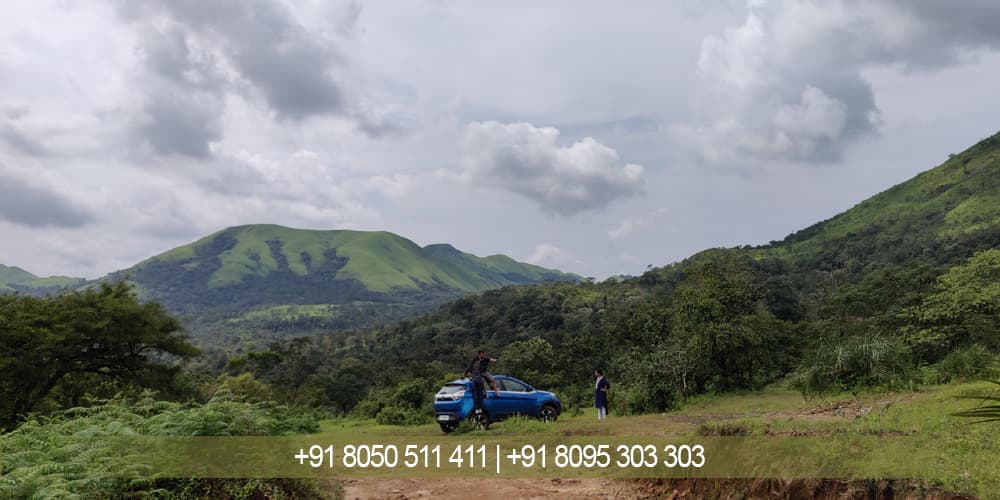
Saalugudda sits about 3,800 feet up in the Western Ghats, and the Western Ghats aren't just “pretty mountains” you frame from a distance. They're older than the Himalayas, and still one of the wildest, least-tampered-with stretches of forest left in the country. Almost every frog species here exists nowhere else on earth. Not rare. Not hard to find elsewhere. Nowhere else, full stop. Once you know that, you stop looking at the forest and start looking into it, and your camera follows along whether you planned for it or not.
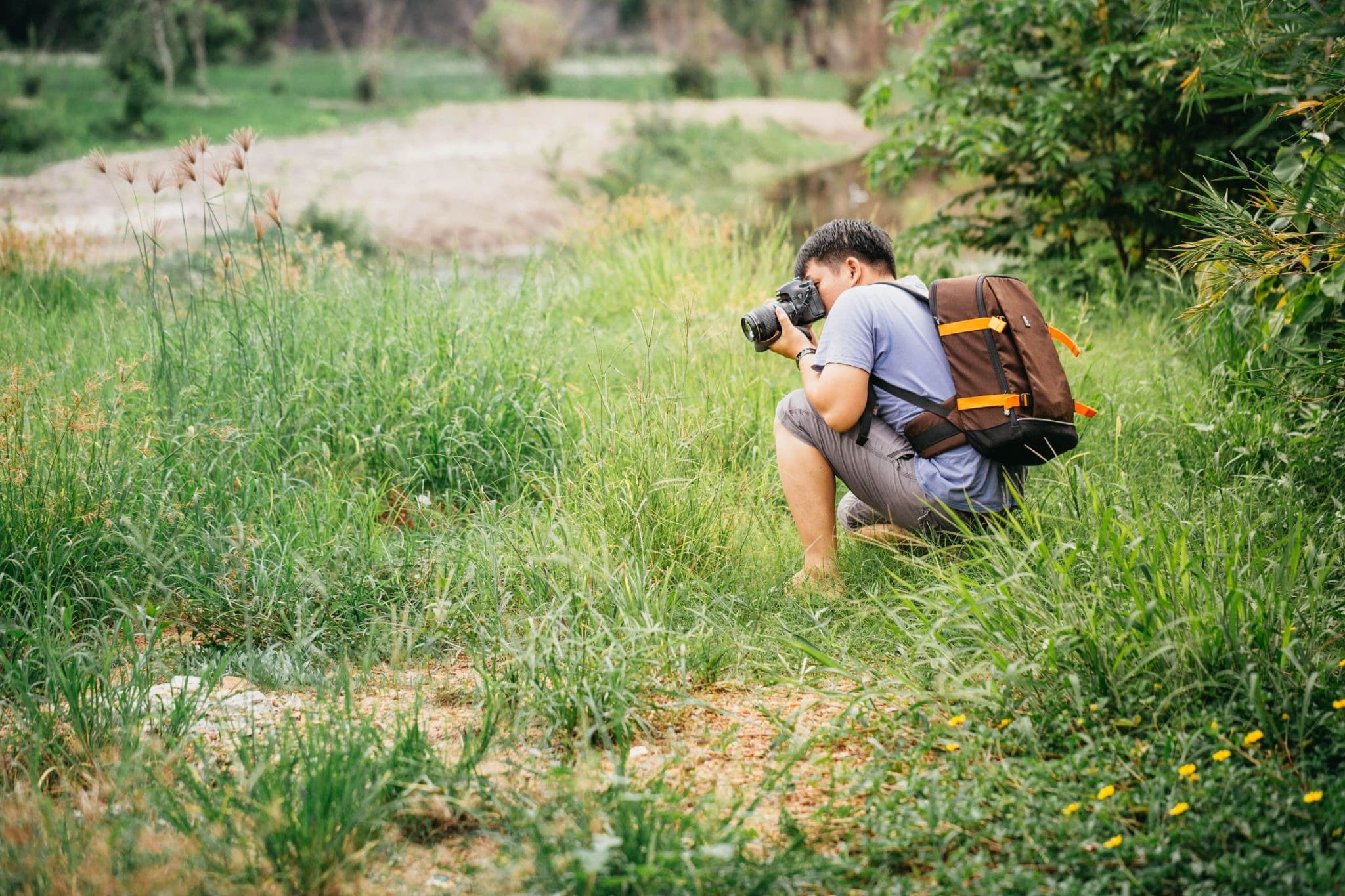
 That's really how this became a wildlife trip instead of a landscape one. The forest here doesn't perform for visitors or wait for you to get your settings right. It just goes about its day, and every so often you happen to be standing there, camera half-raised, when something worth remembering walks, flies, or crawls past. Most of the time you miss it. Every once in a while, you don't, and that's the shot you end up talking about for the rest of the trip.


 Move slow, stay quiet, let the guide lead.
Every time I walked ahead thinking I knew where to look, I missed something. The guides here spot movement long before you register it as movement, and following instead of leading gets you far better sightings, and far better photos.
Binoculars over zoom lens, more often than you'd think.
I packed a long lens expecting to live behind it the whole trip. Turns out binoculars are more useful for actually finding things in the first place, and half the fun is just watching something exist for a minute before you even think about the camera. If an animal changes its behaviour because of you, freezes, flies off, goes quiet, that's your cue you've gotten too close. Back off before you get the shot, not after. No photo is worth stressing out a wild animal for.
Respect the habitat.
Stick to marked trails instead of stepping off for a “better angle.” Skip playing music outdoors, Saalugudda itself avoids it for exactly this reason, so it's already the culture here. And don't take anything back as a souvenir, not flowers, not anything else. Take the photo, leave the rest exactly where it was.
Leave it better than you found it.
Saalugudda runs a strict no-plastic policy on the property, and it's a habit worth keeping long after you check out. Carrying your own trash back with you sounds small, but it adds up more than people give it credit for.
Move slow, stay quiet, let the guide lead.
Every time I walked ahead thinking I knew where to look, I missed something. The guides here spot movement long before you register it as movement, and following instead of leading gets you far better sightings, and far better photos.
Binoculars over zoom lens, more often than you'd think.
I packed a long lens expecting to live behind it the whole trip. Turns out binoculars are more useful for actually finding things in the first place, and half the fun is just watching something exist for a minute before you even think about the camera. If an animal changes its behaviour because of you, freezes, flies off, goes quiet, that's your cue you've gotten too close. Back off before you get the shot, not after. No photo is worth stressing out a wild animal for.
Respect the habitat.
Stick to marked trails instead of stepping off for a “better angle.” Skip playing music outdoors, Saalugudda itself avoids it for exactly this reason, so it's already the culture here. And don't take anything back as a souvenir, not flowers, not anything else. Take the photo, leave the rest exactly where it was.
Leave it better than you found it.
Saalugudda runs a strict no-plastic policy on the property, and it's a habit worth keeping long after you check out. Carrying your own trash back with you sounds small, but it adds up more than people give it credit for.

That's really how this became a wildlife trip instead of a landscape one. The forest here doesn't perform for visitors or wait for you to get your settings right. It just goes about its day, and every so often you happen to be standing there, camera half-raised, when something worth remembering walks, flies, or crawls past. Most of the time you miss it. Every once in a while, you don't, and that's the shot you end up talking about for the rest of the trip.
What You Might Spot Around the Resort
Mammals
Most of what moves here does it quietly, after the sun's already given up for the day, which means you're often shooting on instinct more than anything else. One evening I sat still near the treeline just to see what would happen, and a civet walked past close enough that I didn't even get my camera up in time. I still count it as one of my favourite sightings of the trip, blurry non-photo and all. Mongooses are the same deal, there for a second, gone the next, and getting a clean shot of one feels like you've actually earned it. The giant squirrels make it easier on you, they're loud and unbothered, leaping branch to branch overhead like they own the canopy, which they basically do. If you're out at dusk and get lucky, a flying squirrel might glide past, catching the last bit of light before it disappears again, and if you happen to have your shutter speed right, that's a frame worth keeping forever. Elephants and leopards pass through occasionally too, but that's not something you plan your evening, or your camera settings, around. That's the kind of sighting you just get lucky into.
Reptiles, amphibians & insects
After rain is when this place really wakes up, and when photographing it gets fun. Frogs sit on wet rocks catching the last of the evening light, which makes for a genuinely good shot if you're patient enough to wait for them to stop moving. There's also a lizard here that seems to glide from branch to branch, timing it right is mostly luck, and a tiny gecko species discovered only a few years ago that exists, as far as anyone knows, only in this one patch of the Western Ghats. I never did get a photo of that gecko. I looked for two evenings straight and came up empty both times, which somehow made it more interesting than if I'd found it on the first try.
Butterflies, moths & other invertebrates
This is where I put the wide lens away entirely and went macro. There's a butterfly here nearly the size of your palm, in colours striking enough that it's considered one of the most beautiful in the country, and drifting near it, an almost see-through white one that looks like it's floating rather than flying. Both are surprisingly patient subjects if you approach slow instead of chasing. Once it's dark, especially after rain, moths take over completely, and that's when a torch, a bit of patience, and low expectations get you further than any gear ever could.
Birds of Sakleshpur: A Birding Checklist
If I'm honest, this is the part that hijacked the entire trip. Sakleshpur has quietly built a reputation as one of the better birding spots in the Western Ghats, and one morning with binoculars in hand was enough to understand why.The regulars
Parrots chattering somewhere overhead, hornbills making an entrance you genuinely cannot miss (loud, huge, weirdly theatrical about it), and if you sit still long enough, the paradise flycatcher, a bird with a long ribbon of a tail that trails behind it mid-flight like it's fully aware of how good it looks on camera.
Winter visitors
Come November through February, migratory birds fly in from much colder places to spend the season here, so the same trail, same tree, same early morning light can look like a completely different photo op depending on when you show up. Worth planning your trip around if birding's the main event for you.The ones worth bragging about
There's a bird here that people travel hours specifically hoping to see, a shy, jewel-toned forest dweller that's earned something like local legend status. I spent two full mornings just hearing it somewhere close by, moving when I moved, going quiet exactly when I raised my camera, like it knew. Got the shot on the third morning, after giving up on getting it the first two, which honestly felt more earned than lucky. There's also a hornbill species and a handful of small, brightly coloured birds found only in this stretch of the Western Ghats and basically nowhere else on the map, the kind of birds that make actual birders go quiet with excitement.Best vantage points & times
Early morning, right around sunrise, is when the forest is loudest, busiest, and also when the light is doing its best work, so it's a win for the ears and the lens both. Grab a coffee, find a quiet spot near the treeline, don't touch your phone, and just wait. Give it twenty minutes of doing absolutely nothing and something usually happens. The best shots of the whole trip came from mornings I almost didn't bother getting up for.
Best Practices for Wildlife Watching
A few things I learned the hard way, mostly by getting them wrong first.
Move slow, stay quiet, let the guide lead.
Every time I walked ahead thinking I knew where to look, I missed something. The guides here spot movement long before you register it as movement, and following instead of leading gets you far better sightings, and far better photos.
Binoculars over zoom lens, more often than you'd think.
I packed a long lens expecting to live behind it the whole trip. Turns out binoculars are more useful for actually finding things in the first place, and half the fun is just watching something exist for a minute before you even think about the camera. If an animal changes its behaviour because of you, freezes, flies off, goes quiet, that's your cue you've gotten too close. Back off before you get the shot, not after. No photo is worth stressing out a wild animal for.
Respect the habitat.
Stick to marked trails instead of stepping off for a “better angle.” Skip playing music outdoors, Saalugudda itself avoids it for exactly this reason, so it's already the culture here. And don't take anything back as a souvenir, not flowers, not anything else. Take the photo, leave the rest exactly where it was.
Leave it better than you found it.
Saalugudda runs a strict no-plastic policy on the property, and it's a habit worth keeping long after you check out. Carrying your own trash back with you sounds small, but it adds up more than people give it credit for.
Where to Stay
If any of this sounds like your kind of trip, Saalugudda makes a genuinely good base for it. You're already inside the forest instead of driving in from somewhere outside town, rooms start around ₹2,750 a person, and your stay comes with meals, a guided trek, and a bonfire built in. Most evenings end the same way, everyone comparing notes on what they spotted that day, scrolling through camera rolls, before doing it all over again the next morning. I still haven't gotten that gecko shot. Might just be the reason I go back.